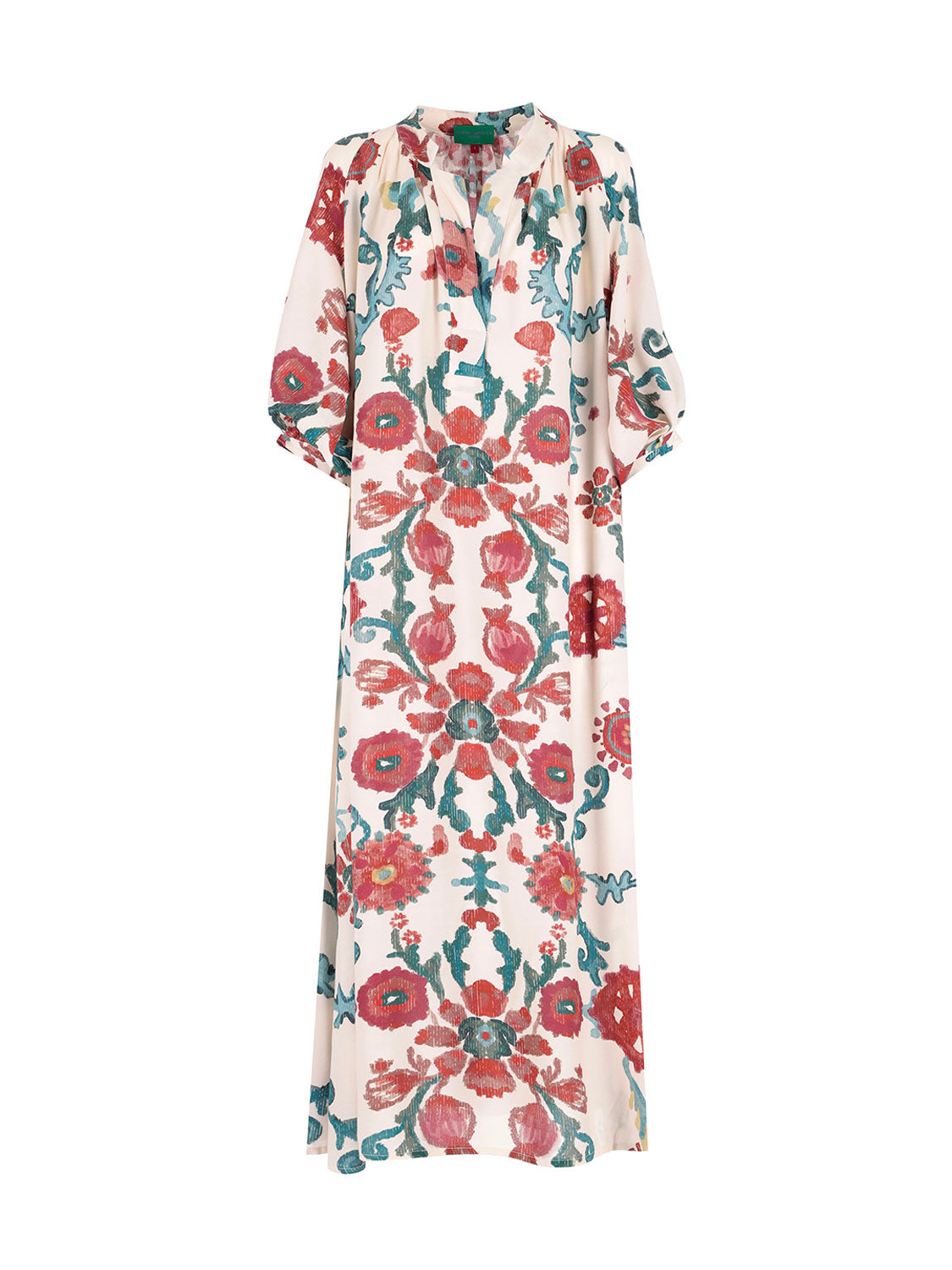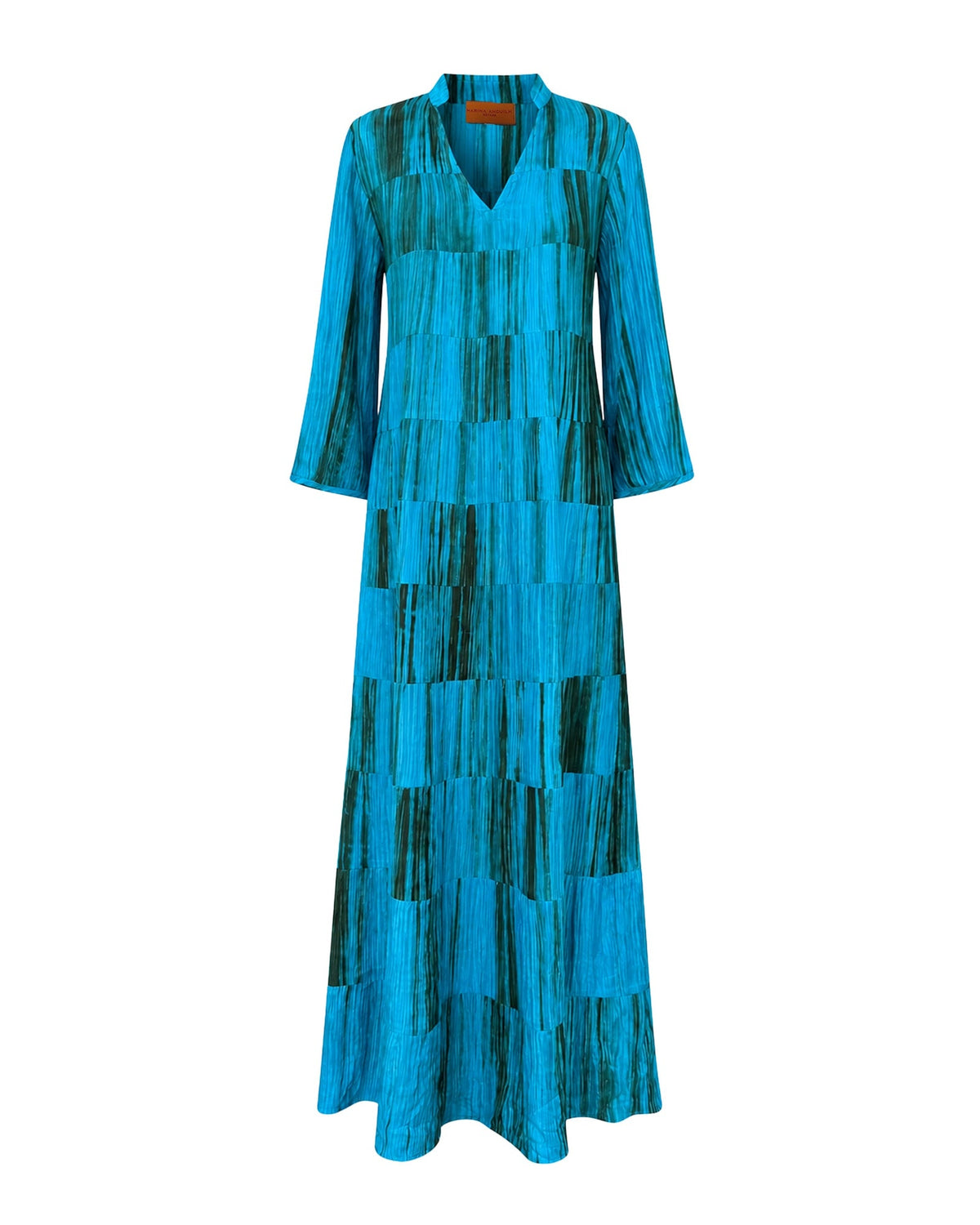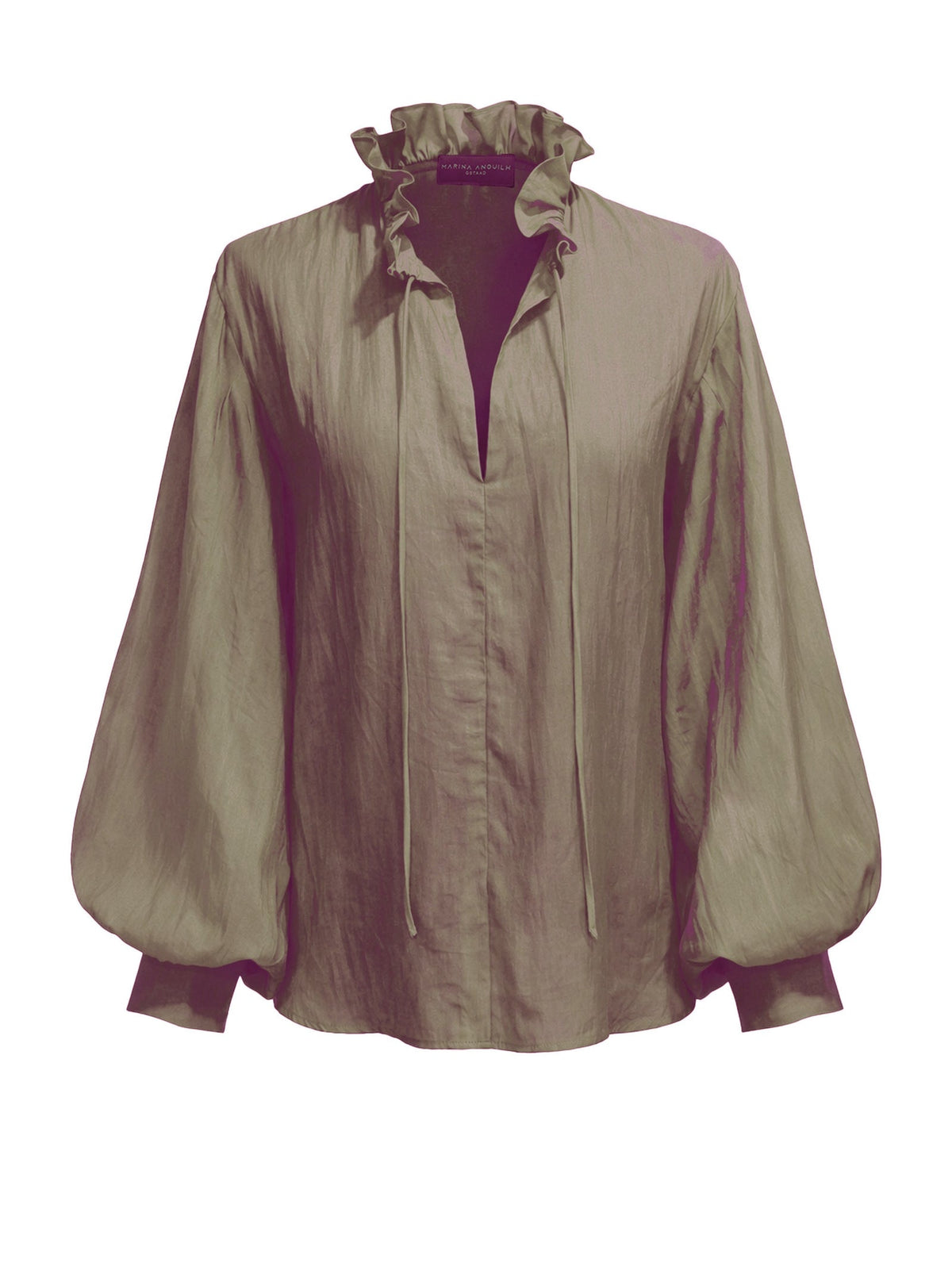
Quiet Boho 2026 — The Bohemian Minimalism Moment

Every season, the fashion press names a trend. Most of them disappear within twelve months. "Quiet Boho" — sometimes called Bohemian Minimalism — is different. It is the formal naming of a register that has existed at Marina Anouilh's boutique since 2008. Now that the trend press has caught up, here is what is actually happening in 2026, why the wardrobe was always built for it, and where the trend overlaps with and differs from the pure-minimalism register that has dominated the European luxury contemporary market for the past decade. This is the long-form Quiet Boho explainer — the references, the brands now active in the register, the styling rules that distinguish it, and the reasons it will outlast its trend cycle.
What Quiet Boho actually means
The 2026 fashion direction defines Quiet Boho by four constraints:
- Neutral palette (cream, beige, taupe, rust, olive, navy)
- Handmade-feeling materials (linen, silk, raffia, wool)
- Minimal pattern (one hand-embroidery per outfit maximum)
- Structural simplicity (drape, ease, no fitted shapes)
You can find longer descriptions in Vogue Business, WWD, Business of Fashion's spring forecasts, and a handful of consultancies that name trend directions formally. What none of them mention: this register was already the centre of how Marina Anouilh built her boutique fifteen years ago. The trend press is naming a place we have lived for over a decade.
The two parents of Quiet Boho
Quiet Boho has two distinct parents in contemporary fashion history.
The first parent is European luxury bohemian chic — the register practised by Chloé under Phoebe Philo and later Gabriela Hearst, by Isabel Marant in her early collections, by Marina Anouilh, by certain seasons at Saint Laurent, by Italian and Greek boutiques across the Mediterranean. This parent contributed the silk dresses, the kaftans, the embroidered jackets, the handcraft signatures, the cosmopolitan material vocabulary.
The second parent is the quiet luxury / minimalism register — The Row, Khaite, Toteme, Cos at its best, Lemaire. This parent contributed the neutral palette discipline, the rejection of logos and statement pieces, the focus on cut and material over decoration, the slow-fashion ethic of pieces designed to last a decade.
Quiet Boho is the offspring of these two parents — the bohemian material vocabulary disciplined by minimalist restraint. It is what you get when you take the Marrakesh atelier handcraft and the Madagascar raffia and apply the Khaite-Toteme styling rules. The result is recognisably bohemian (silk, handcraft, fluid silhouette) but disciplined enough to read as luxury contemporary rather than festival.

Why bohemian minimalism is different from minimalism
Pure minimalism (think Cos, The Row, Toteme) rejects pattern entirely, rejects handcraft signatures, and tends toward architectural shapes. The wardrobe is built around plain knits, structured trousers, sculptural outer layers, mostly solid colours. The visual interest comes from cut and proportion alone.
Quiet Boho keeps minimalism's neutral palette and longevity — but allows a single piece of hand-embroidery, a single handmade material signature, a single texture story. The Gaia linen jacket with coral embroidery is exactly that boundary: minimalist silhouette, single embroidered accent. It would feel wrong in a pure minimalist wardrobe; it sits exactly right in a Quiet Boho one.
The difference is subtle but consequential. Pure minimalism reads as architectural, sometimes austere. Quiet Boho reads as inhabited, sometimes warm. The same wearer can move between the two registers depending on the day; the wardrobes overlap in seventy percent of pieces but diverge in the remaining thirty.
The Quiet Boho wardrobe — ten pieces
If you wanted to assemble a Quiet Boho wardrobe from Marina Anouilh today, the ten pieces would be:
- A linen kaftan in a neutral colour (Olympia Fuji or Olympia Kaftan Dress).
- A silk shirt in a saturated jewel tone (Holly cherry) — your only piece with strong colour.
- A yak wool outer layer (Stephanie taupe) — the structural anchor.
- A Marrakesh cotton jacket for mid-season.
- A silk column dress (Lotus) for evening.
- A pair of linen culottes in cream or olive.
- A pair of wool culottes in navy.
- An Irene shantung skirt for occasions.
- A raffia bag (Tiana) for day.
- A small evening bag in a neutral or single accent (Babette ribbon knit or Olivia Dar pouch).
Ten pieces. They yield more than thirty outfits. The wardrobe lasts five to ten years if maintained. That is bohemian minimalism in practice — the ten-piece Quiet Boho capsule that handles every context from boutique day to evening ceremony.

The brands now active in the Quiet Boho register
As the trend has been named formally, more brands have entered the register from adjacent positions. The current landscape (2026):
- Marina Anouilh — the European Alpine version, with the strongest winter-wardrobe component because of the Gstaad/St Moritz climate.
- Chloé — still the most prominent luxury house operating in the register; Gabriela Hearst's tenure pushed it toward sustainability and handcraft.
- Gabriela Hearst (her independent label) — deeply committed to artisanal sourcing, particularly merino wool from Uruguay.
- Christy Dawn — California-based, deadstock and natural-dye focused, slightly more rustic register.
- Mara Hoffman — closed her brand in 2024 but the register she practised continues to influence the broader category.
- Toteme — minimalist core that has occasionally tipped into Quiet Boho with their relaxed silk pieces.
- Khaite — more architectural than Quiet Boho but the silk shirt program overlaps significantly.
- Loro Piana — the cashmere house operating in the most luxurious version of the register.
- Brunello Cucinelli — Italian luxury with bohemian material vocabulary (linen, raffia, hand-finishing).
The point of this list is not to direct shopping away from Marina Anouilh but to situate the boutique within the broader register. Quiet Boho is a real and growing market. Marina Anouilh's position within it is distinctive because of (a) the alpine wardrobe component, (b) the made-to-measure ceremony program, (c) the direct-from-atelier sourcing model.
Why Quiet Boho will outlast its trend cycle
Most fashion trends die because they were never built for longevity. The wardrobe required cheap synthetic materials, single-season silhouettes, and a constant stream of new pieces to maintain visual freshness. Quiet Boho is structurally different.
At its core, Quiet Boho is a way of dressing that prioritises:
- Materials over silhouettes — the materials hold value independently of seasonal cut changes
- Handcraft over machine production — the craft signature is itself the value
- Personal continuity over seasonal change — pieces designed to be worn for a decade rather than a season
These are not fashion virtues that go out of style. They are wardrobe virtues. The trend press will move on; the register will stay. We expect Quiet Boho to be named differently in 2030 — some other phrase will be coined — but the substance will continue. The wardrobe was already there, will continue to be there, regardless of what the fashion press calls it.
The Quiet Boho styling rules
For clients new to the register, three rules govern most outfit decisions:
Rule 1: One craft signature per outfit
The Marrakesh jacket, OR the Suzani embroidery, OR the tiedye silk, OR the hand-woven raffia bag. Pick one. The rest of the outfit stays plain. Two craft signatures together tip into boho chic; one tip into Quiet Boho.
Rule 2: Narrow palette, single accent
Anchor colours — cream, taupe, olive, navy, bordeaux — as the foundation. One jewel tone in silk per outfit as accent. Avoid more than three colours visible at once.
Rule 3: Three accessories maximum
Bag, jewellery, hat — or bag, belt, shoes — or bag, jewellery, shoes. Four accessories tips into styled territory. The Quiet Boho register signals through restraint.
A note for women considering the move
If you have been watching the Quiet Boho trend and wondering whether to step in, the easiest entry point is two pieces — a silk shirt and a structured outer layer (yak, wool, or linen depending on season). Add one bag. From those three, the wardrobe builds itself organically over the following years.
The wrong move is to buy ten pieces in the same week to "complete" the look. Bohemian chic, in any form including Quiet Boho, rewards slow accumulation. The wardrobe is not a costume. It is a record of choices made over years — each piece carrying the memory of the trip where you found it, the occasion you bought it for, the season it earned its place.
The trend press 2026 — what they got right
The fashion press covering the register in 2026 has, by and large, identified it correctly: the four constraints (neutral palette, handmade materials, minimal pattern, structural simplicity), the convergence of bohemian and minimalist DNA in the parent brands, and the historical lineage running back to Talitha Getty and Loulou de la Falaise. Search interest in bohemian style has grown sharply year on year, and Chemena Kamali’s work at Chloé is the reference most often cited for the shift from bohemian maximalism to this quieter, more crafted register.
What the trend press tends to miss: the register is less new than it appears. The European luxury boutiques have been operating in it since 2010 or earlier. The Mongolian yak coats, the Marrakesh embroidered jackets, the hand-woven raffia bags, the Suzani panels — each of these has been part of the bohemian luxury landscape for decades. The 2026 "trend" is the formal naming, not the substance.
FAQ
Is Quiet Boho the same as Quiet Luxury?
Adjacent but distinct. Quiet Luxury is more architectural and minimalist (Loro Piana, The Row); Quiet Boho keeps the same restraint principles but includes the bohemian material vocabulary (silk, raffia, handcraft). The Venn diagram overlaps in about 60% of pieces.
Will Quiet Boho still be a trend in 2028?
The trend press will likely name it differently — some new phrase will emerge — but the underlying register will continue. The substance is structural, not seasonal.
How do I tell Quiet Boho from generic luxury contemporary?
Look for handcraft signatures. A Quiet Boho piece carries the visible mark of human work — hand-embroidery, hand-dyed silk, hand-woven raffia, hand-finished leather. Generic luxury contemporary leans on cut and material quality alone, without the handcraft signature.
Where do I start if I am building a Quiet Boho wardrobe from zero?
Three pieces: a habotai silk shirt, a structured outer layer (yak coat or Marrakesh jacket), a handmade bag (Tiana raffia or Babette knit). Build out from there over years.
What's the difference between Quiet Boho and Marina Anouilh's bohemian chic specifically?
Functionally identical, but Marina Anouilh's bohemian chic includes a stronger alpine winter component (the yak coats, the wool tartans, the Madagascar leather hats) that pure Quiet Boho rarely addresses. Marina Anouilh is Quiet Boho with a Swiss accent.
Closing
The trend cycle will continue. New names will be coined. Quiet Boho 2026 will give way to whatever the fashion press calls the same register in 2027 and 2028. The wardrobe will stay. The materials will stay. The pieces in your closet that you bought in 2024 and 2025 will still be there in 2030, photographed alongside new pieces from new ateliers, anchoring a wardrobe that belongs more to you than to any trend.
That is the bohemian chic promise, in its 2026 Quiet Boho clothing: less spectacle, more substance, longer ownership.
Browse the Bohemian Chic collection, read our complete bohemian chic style guide, or book a personal appointment to start.
Continue reading — the bohemian chic edit
If this guide is useful, the rest of the cluster goes deeper on related questions: how Marina wears the style, the craft behind it, the fabric glossary, and the seasonal edits.
- complete bohemian chic guide
- bohemian chic vs boho chic
- bohemian chic icons
- the colour palette
- fabric glossary
You can also browse the full bohemian chic collection, or book an in-store appointment at our Gstaad or St Moritz boutiques to be styled in person.